Site filtering
Region and store filters give teams a way to narrow the view to the exact location or district they are responsible for.
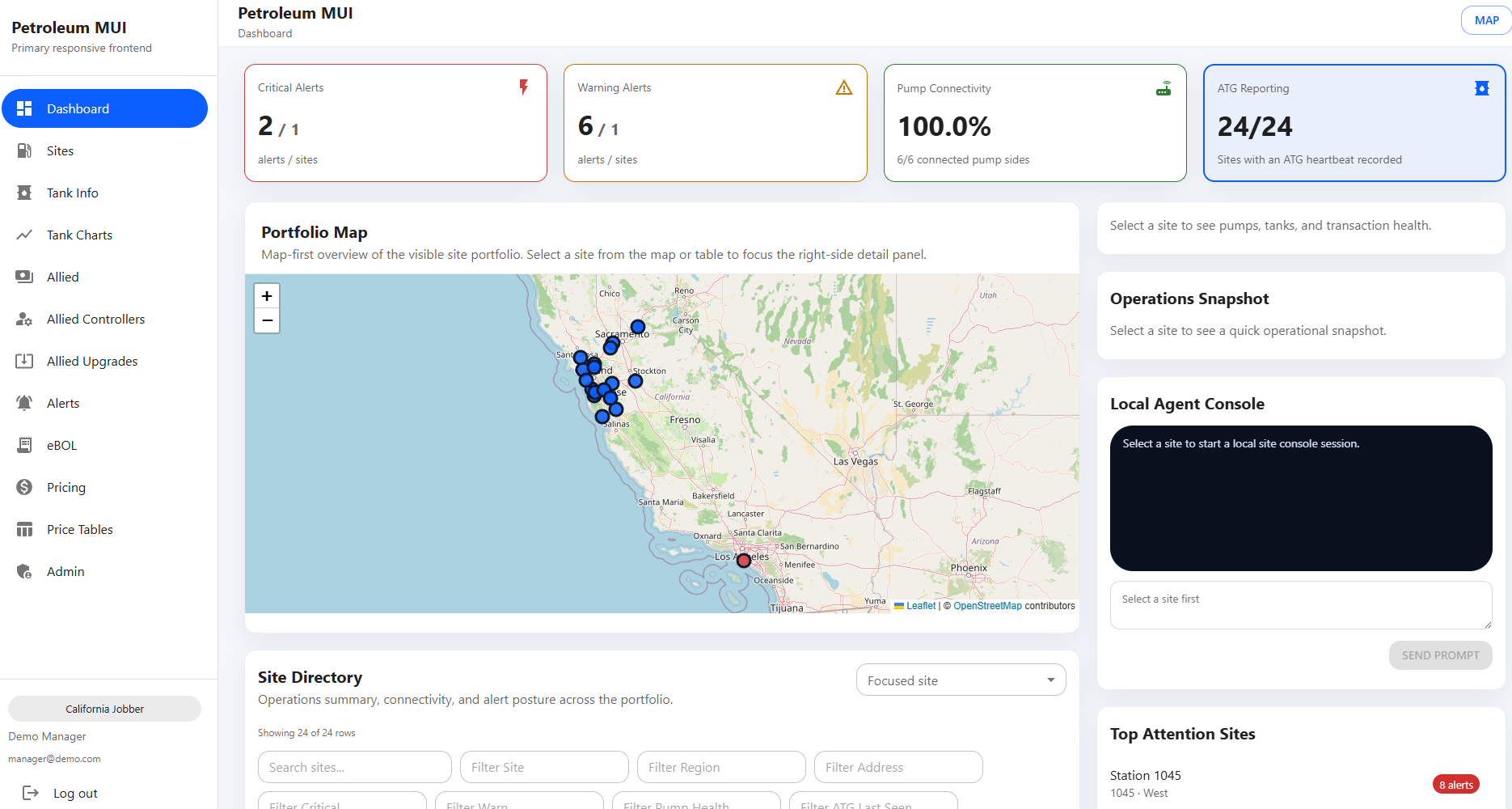
WannLynx builds site operations software that gives managers and service teams live visibility into controllers, pumps, tanks, transactions, and configuration state across a multi-site fleet.
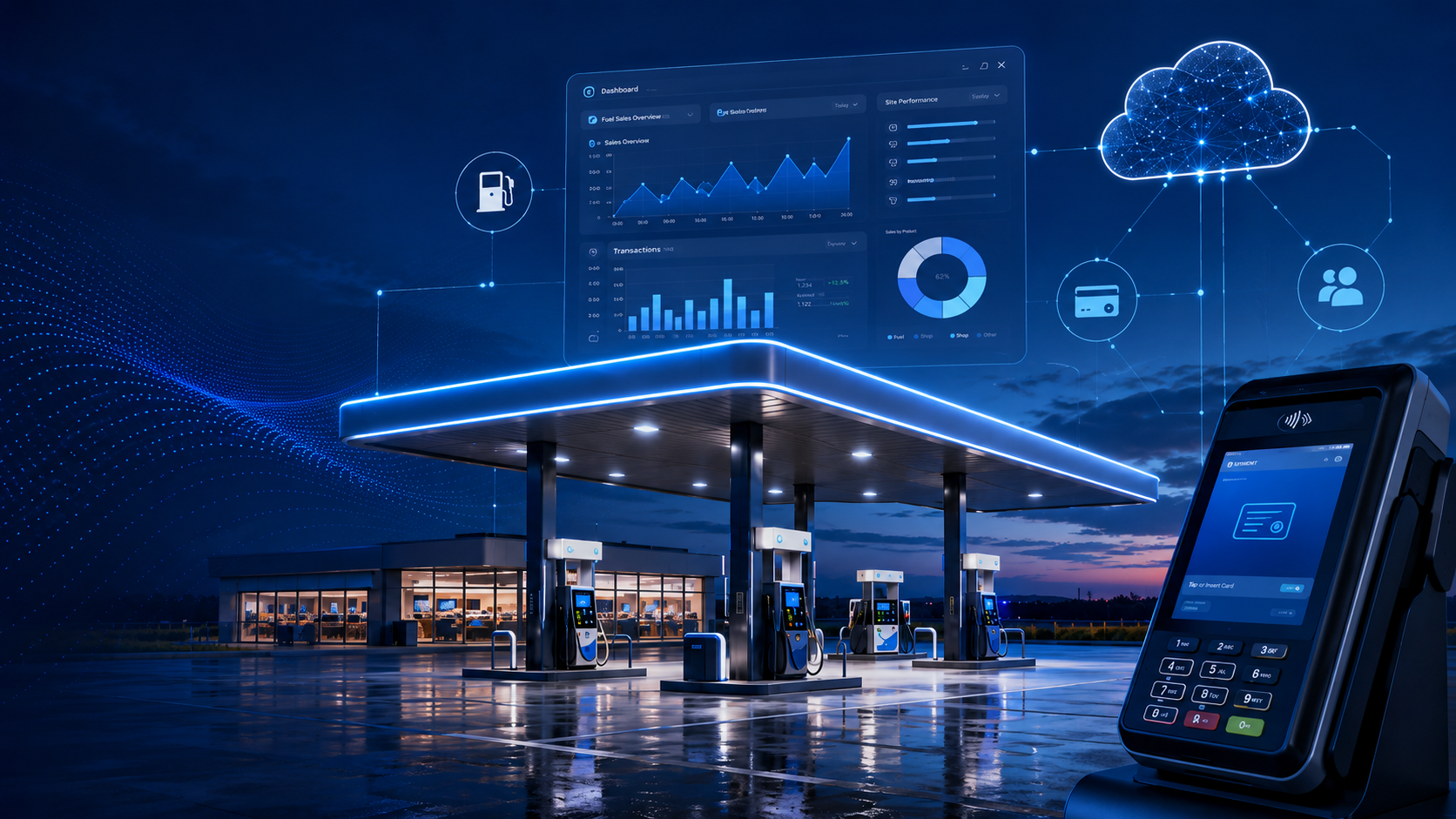
The dashboard is built to help operations staff answer the questions that matter first: which site is affected, what changed, what is the transaction state, and who needs to act.
Region and store filters give teams a way to narrow the view to the exact location or district they are responsible for.
Controller uptime, version, last transaction time, and alert state are surfaced together instead of spread across disconnected tools.
Managers, operators, and service technicians can see enough context to act without needing to piece together a separate status chain.
Click any screenshot to open the full-size image. These contained previews are designed to stay legible on desktop and mobile without cropping the UI.
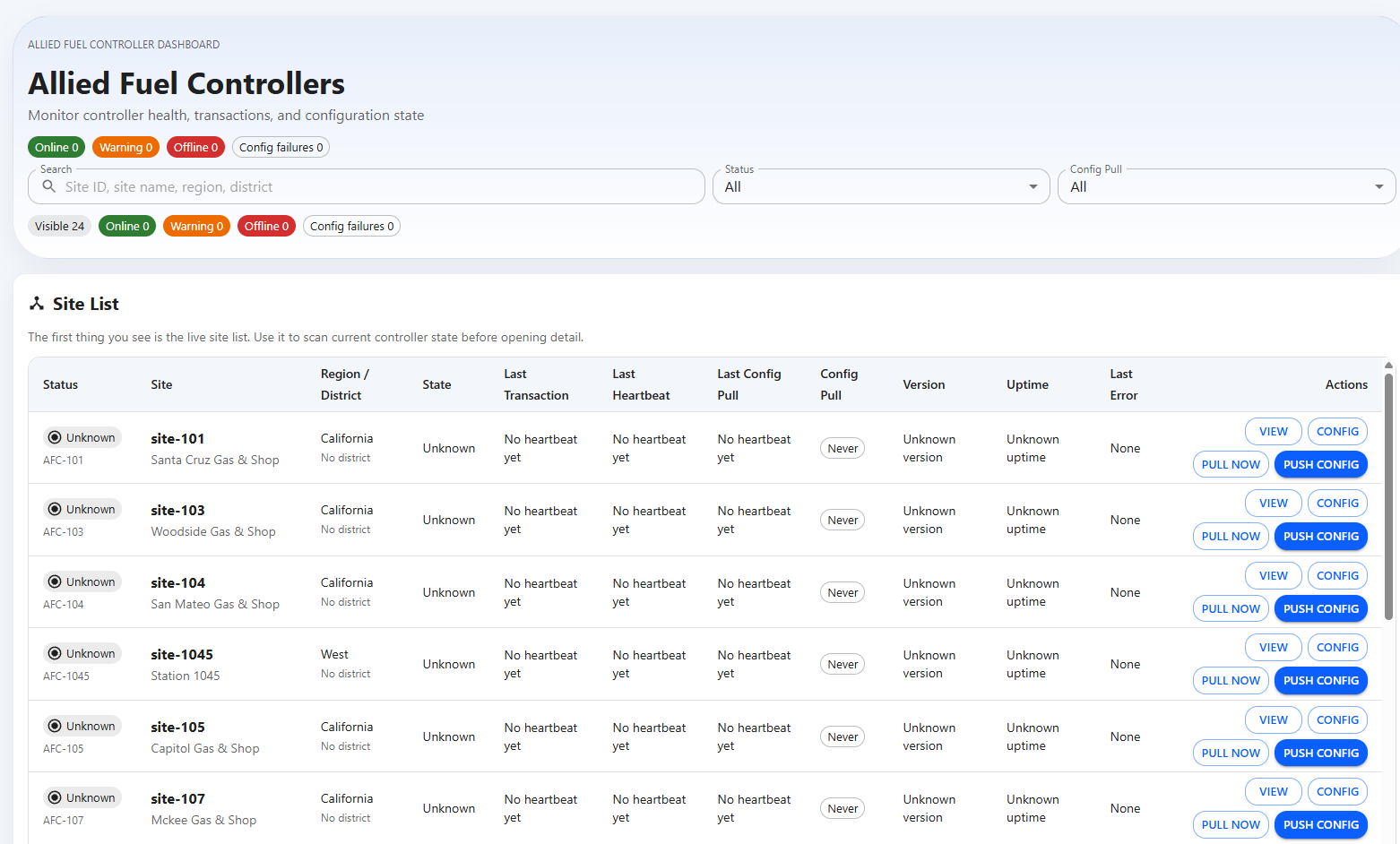
WannLynx can display Allied Fuel Controller state with the practical details field teams care about: whether the controller is healthy, when the last transaction arrived, and whether the version and uptime are where they should be.
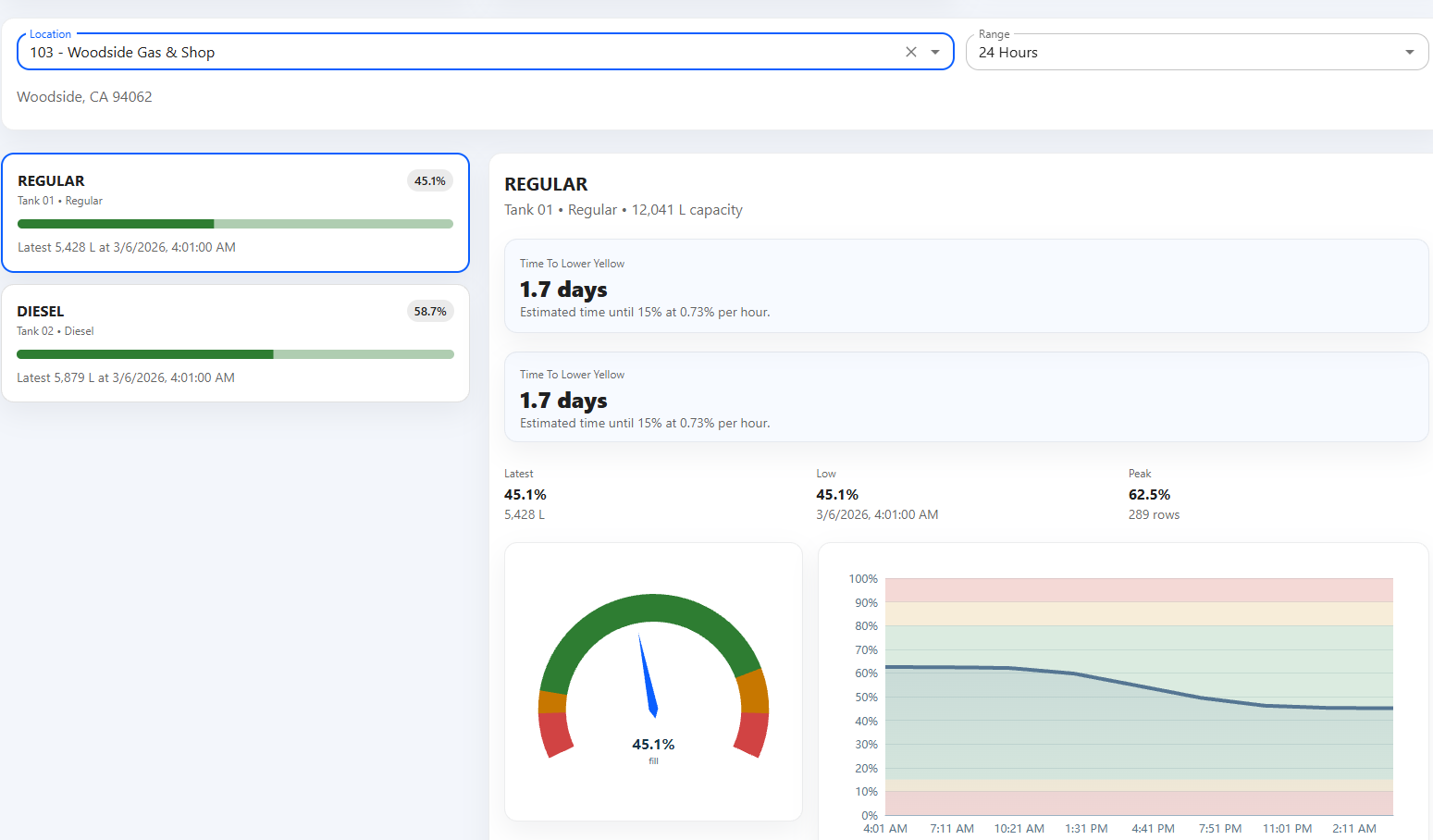
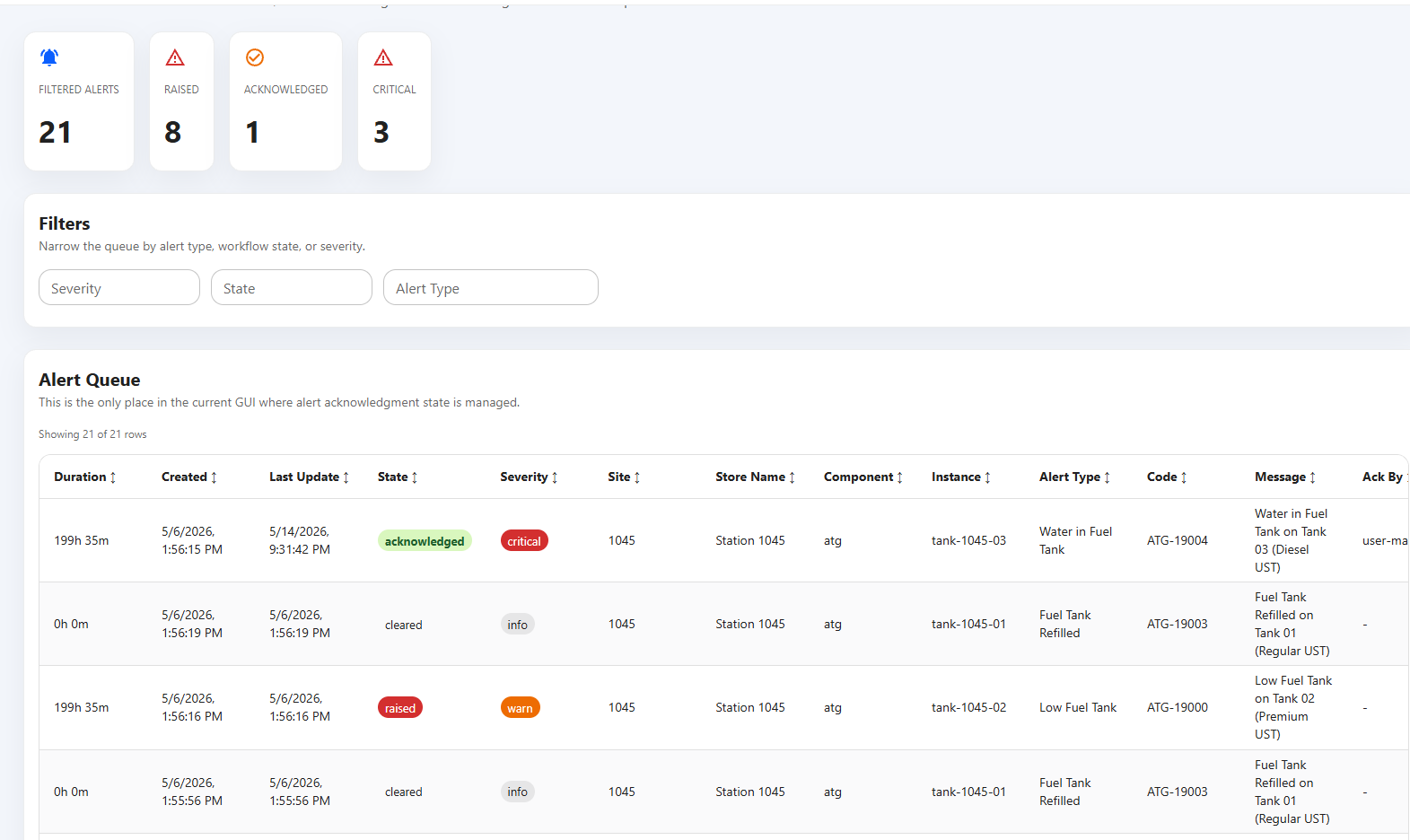
Tank visibility is only valuable when it can be interpreted quickly. WannLynx designs interfaces that make ATG and tank information easy to review alongside controller and transaction state.
Alerts are used to point support staff at the real problem quickly, not just to produce noise. The goal is to show what changed and why it matters.
Nightly backup, review, and push-back workflows help protect the configuration state that keeps sites consistent and recoverable.
Managers, operators, and service technicians should not see the same screen. WannLynx supports role-based access so each group gets the right operational view.
The result is shorter troubleshooting time, cleaner handoffs between teams, and a better view of what happened when a site changes state.
That includes fewer blind spots, better evidence during incidents, and software that can be used by the people who actually run the field operation.